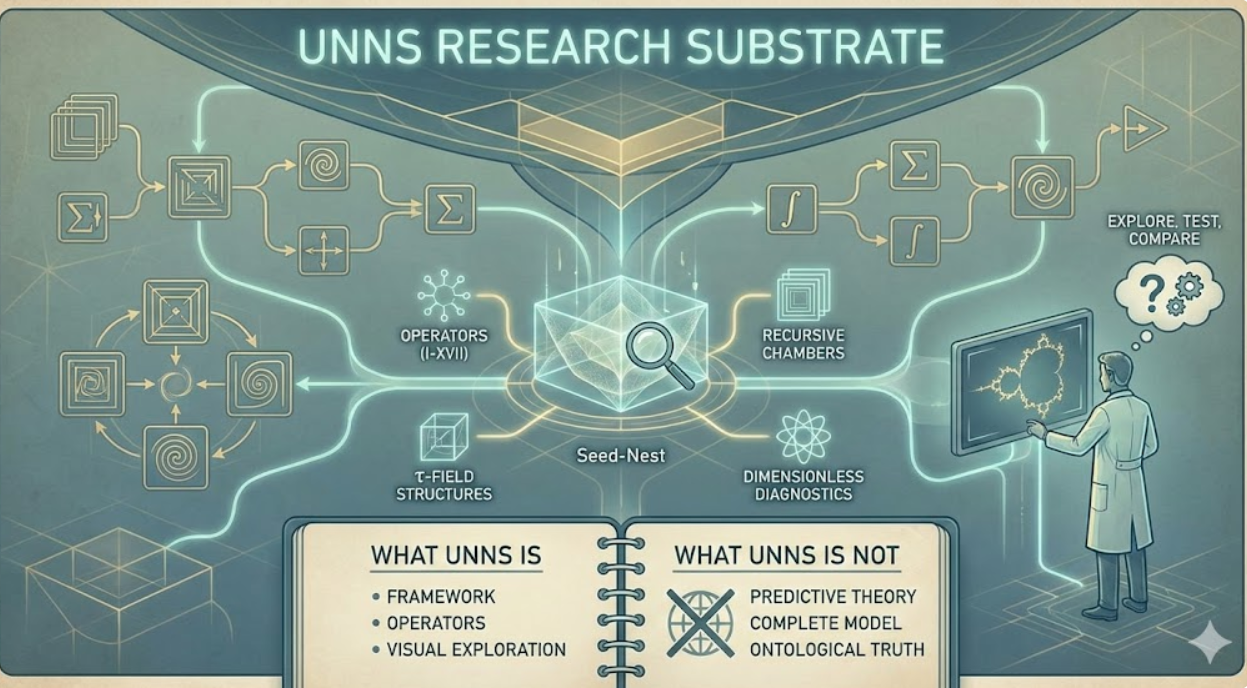
Foundations Research Substrate UNNS Philosophy
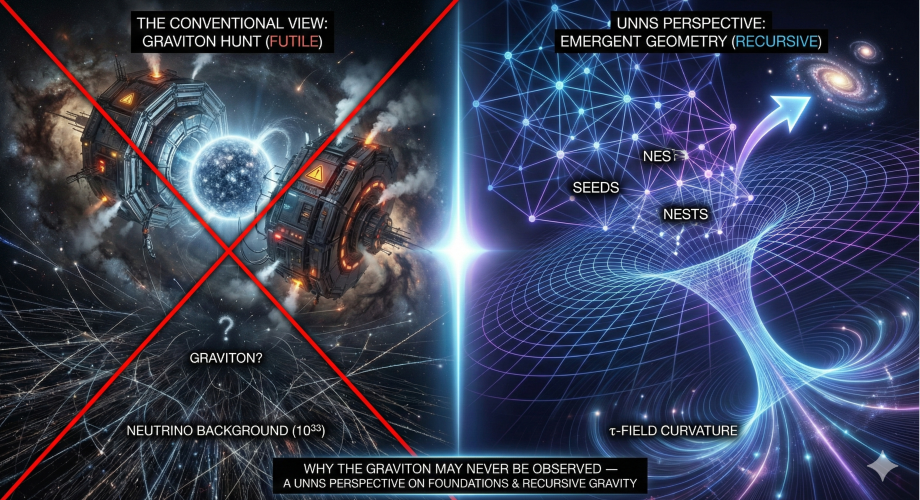
Foundations τ-Field Recursive Gravity
Read more: Why the Graviton May Never Be Observed — A UNNS Perspective
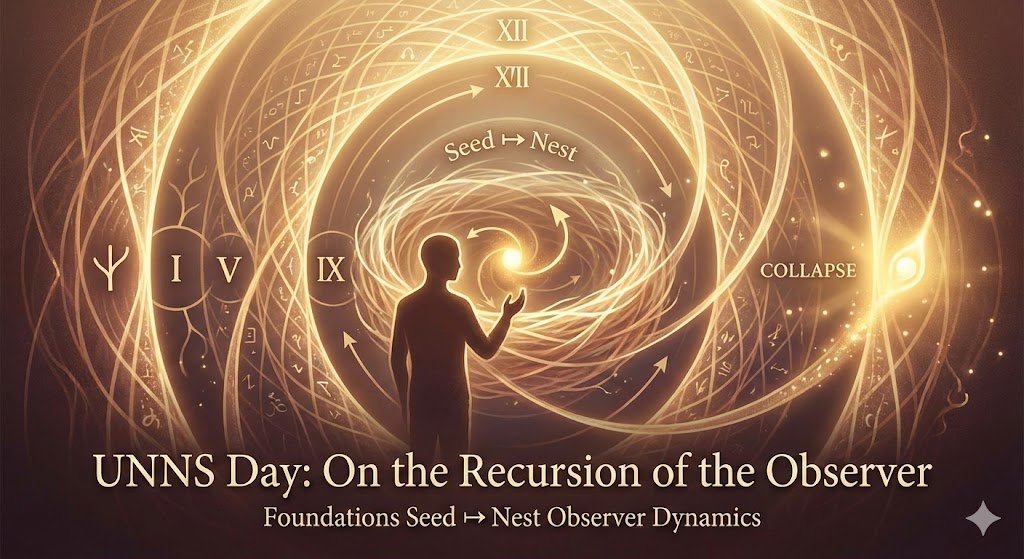
Foundations Seed ↦ Nest Observer Dynamics
Chamber XXIII is one of the most advanced explorations in the UNNS Laboratory — a diagnostic engine designed to study recursive instability, paradox formation, and collapse-channel behavior across numerical sequences. Built on the UPI (Universal Paradox Index) framework, the chamber combines mathematical recursion, structural diagnostics, and data-driven analysis into a single interactive environment.
From classical sequences like Collatz to fully custom user-defined inputs, Chamber XXIII examines how structure emerges, collapses, or stabilizes under recursive evolution. Through the lens of UNNS Operators XIII–XXI, it reveals instability spikes, closure events, semantic motifs, and micro-curvature signatures hidden inside any numeric signal.
Read more: UNNS Laboratory — Chamber XXIII — UPI (Paradox Dynamics)
Page 27 of 39